

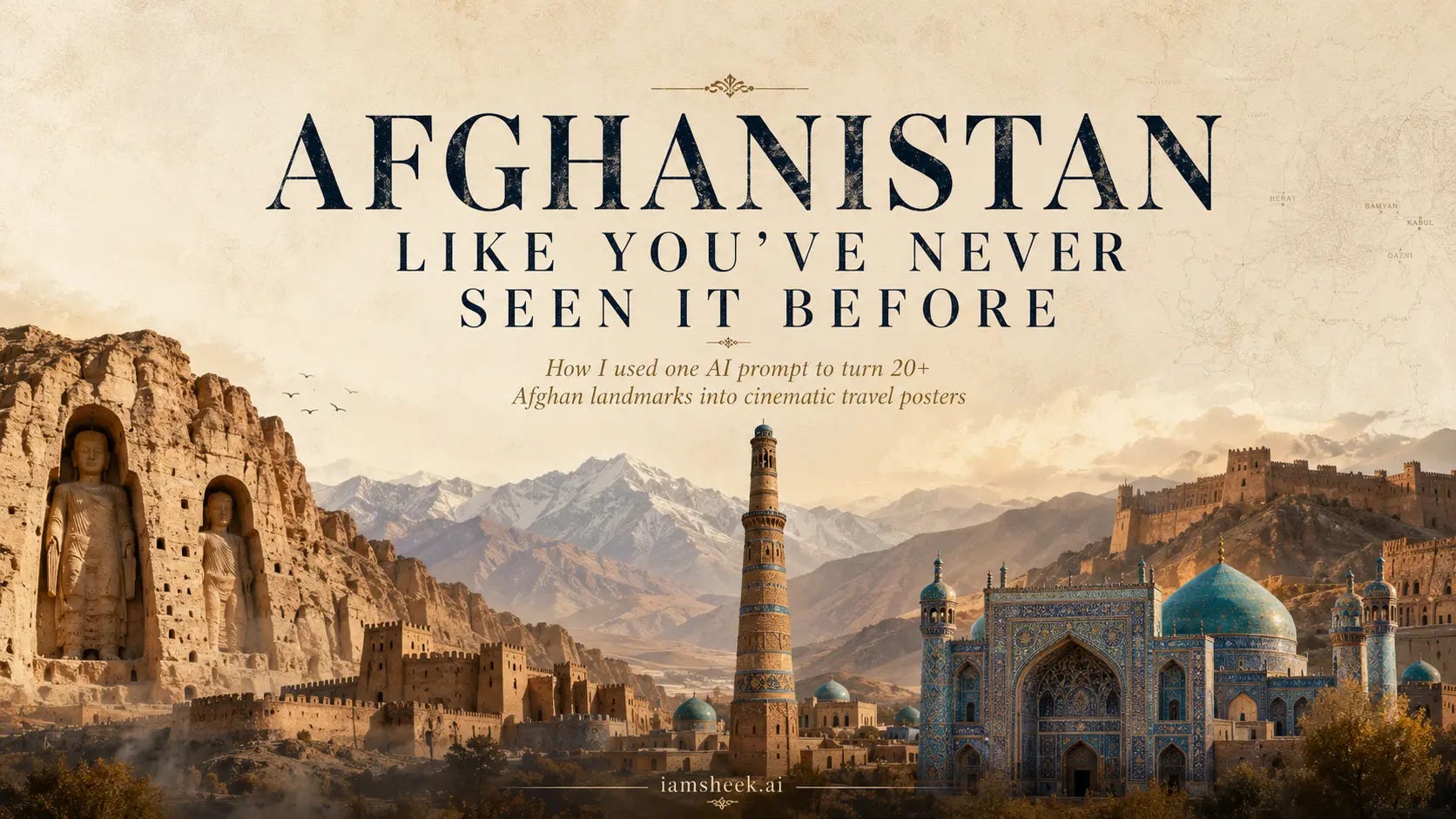
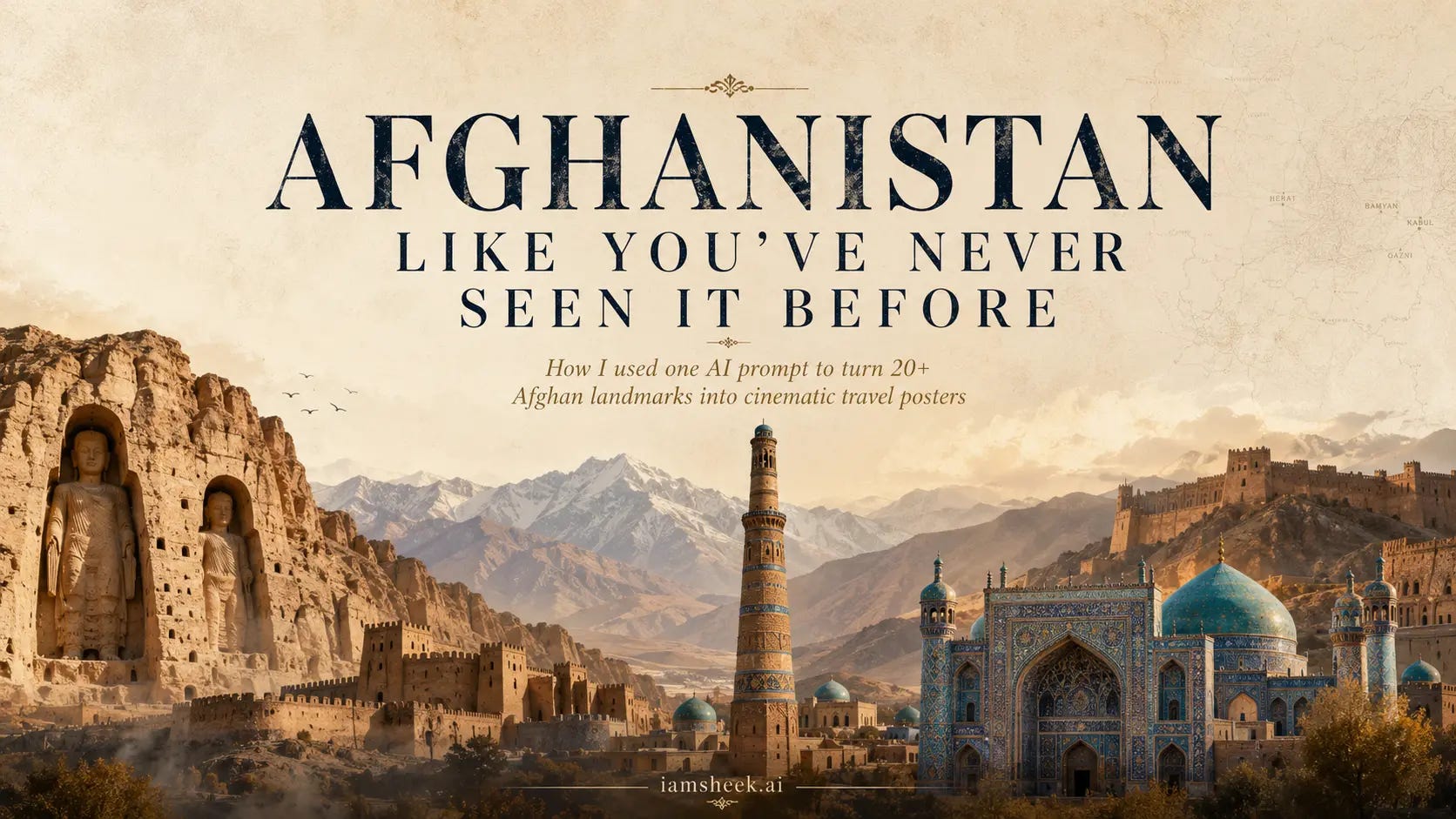
Most people have never seen Afghanistan like this.
Not through the lens of beauty.
Not through design.
Not through imagination.
So I decided to change that.
I used AI to create a cinematic landmark poster series featuring Afghanistan’s most iconic places — from Kabul, Herat, Balkh, Bamiyan, Kandahar, Ghazni, and beyond — and turned them into premium, museum-style travel posters.
The goal was simple:
Show Afghanistan differently.
Not as headlines.
Not as stereotypes.
But as art, architecture, memory, texture, and atmosphere.
And the best part?
I built the whole series from a prompt system that anyone can use.
In this article, I’ll show you:
-
the idea behind the series,
-
the exact prompt I used,
-
the framework behind it,
-
and how you can adapt it to create your own poster series for any country, city, or landmark.
Why this series matters
Afghanistan has extraordinary visual identity.
Ancient minarets.
Mud-brick citadels.
Blue-tiled mosques.
Mountain light.
Dusty gold landscapes.
Timurid geometry.
Silence, scale, and history.
It already looks cinematic.
The problem is not the lack of beauty.
The problem is that beauty is rarely packaged in a way the modern internet wants to stop and look at.
So I asked:
What if Afghanistan was presented like a premium design object?
What if its landmarks were treated like iconic global travel posters?
What if culture, architecture, geography, and mood were translated into a visual language people instantly want to save and share?
That became the series:
Afghanistan Like You’ve Never Seen It Before
A cinematic travel poster collection inspired by:
-
Afghan architecture
-
local atmosphere
-
natural textures
-
cultural memory
-
and editorial poster design
What I created
I generated a poster series featuring 20+ Afghan cities and landmarks, including places like:
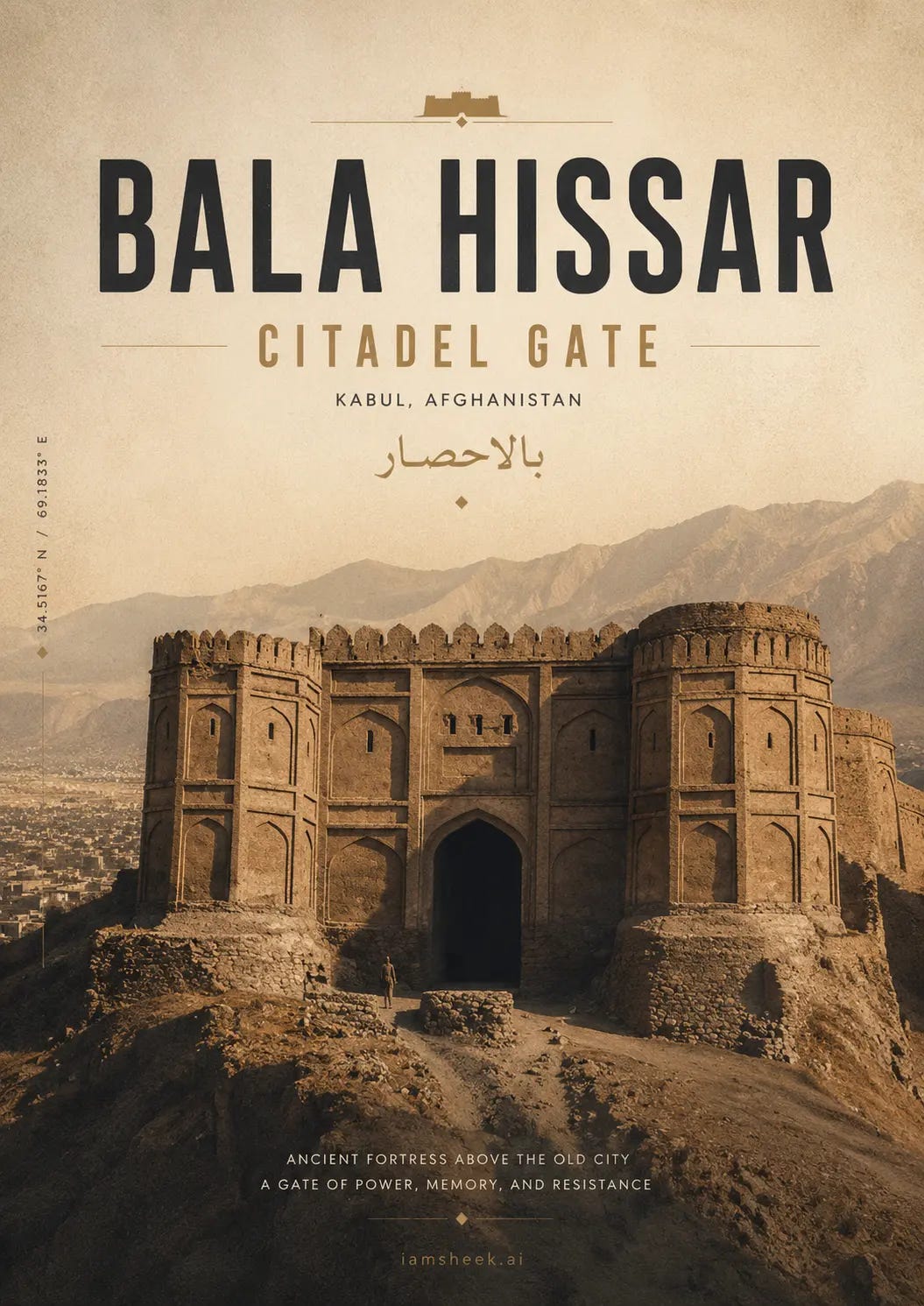
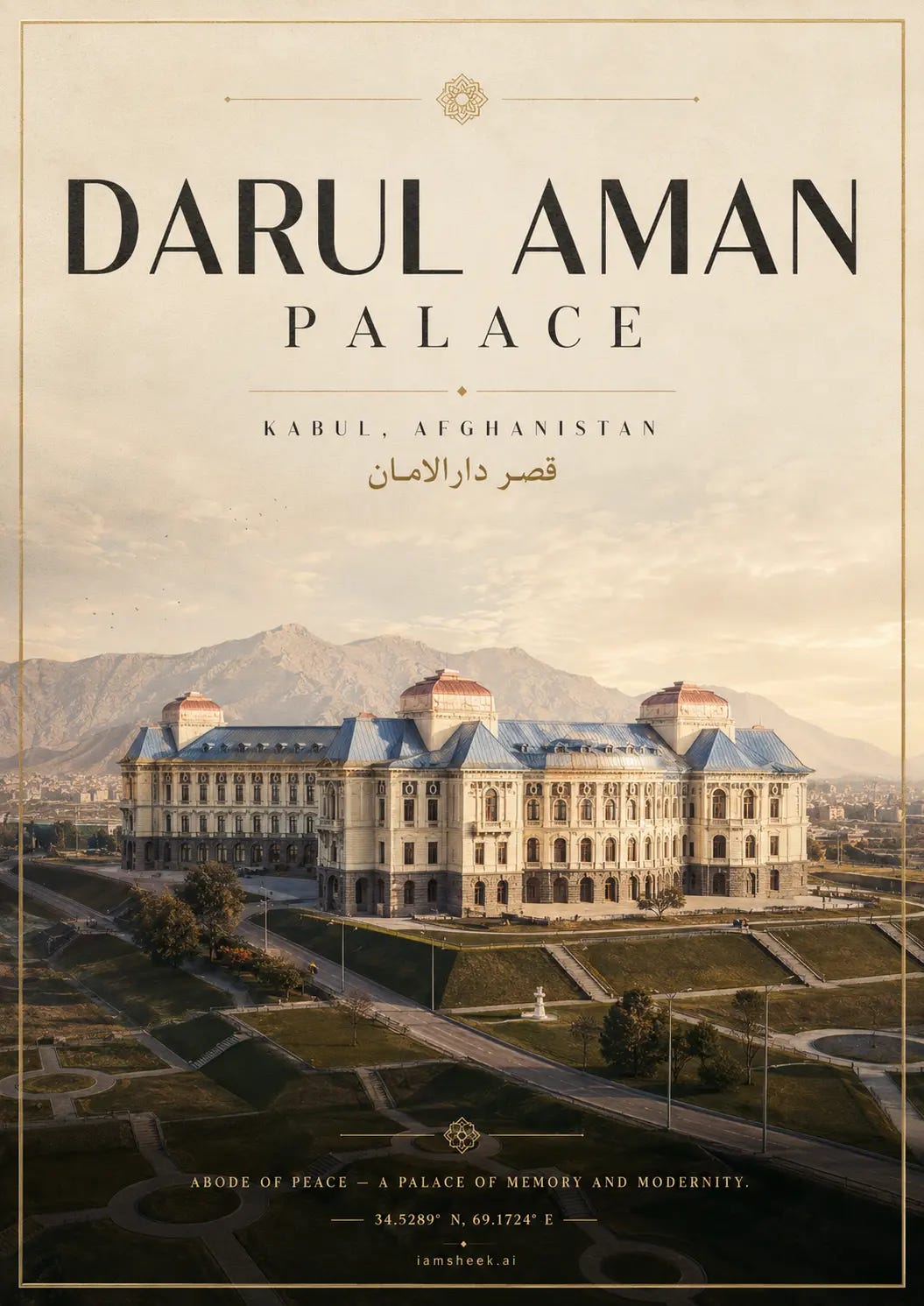
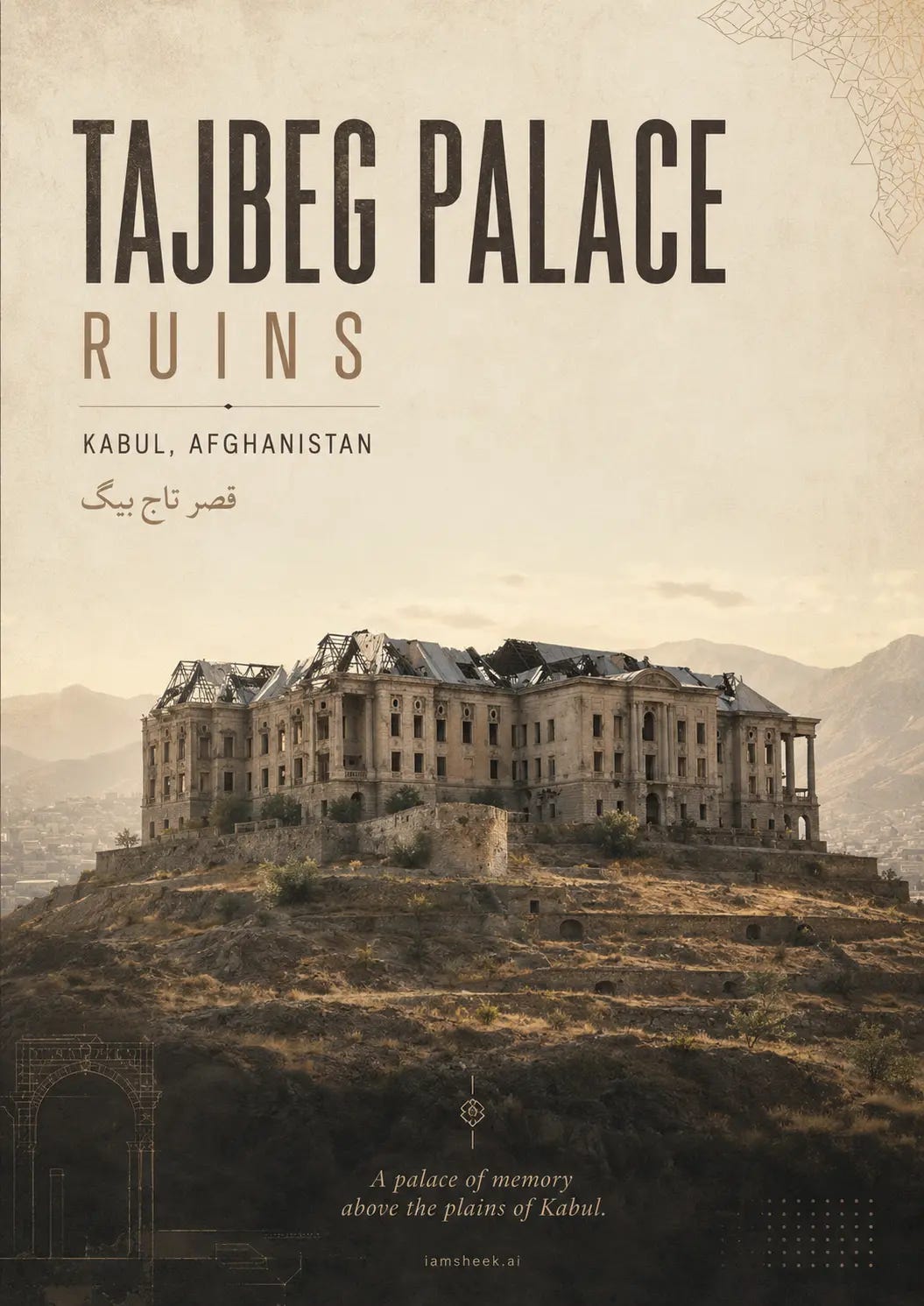
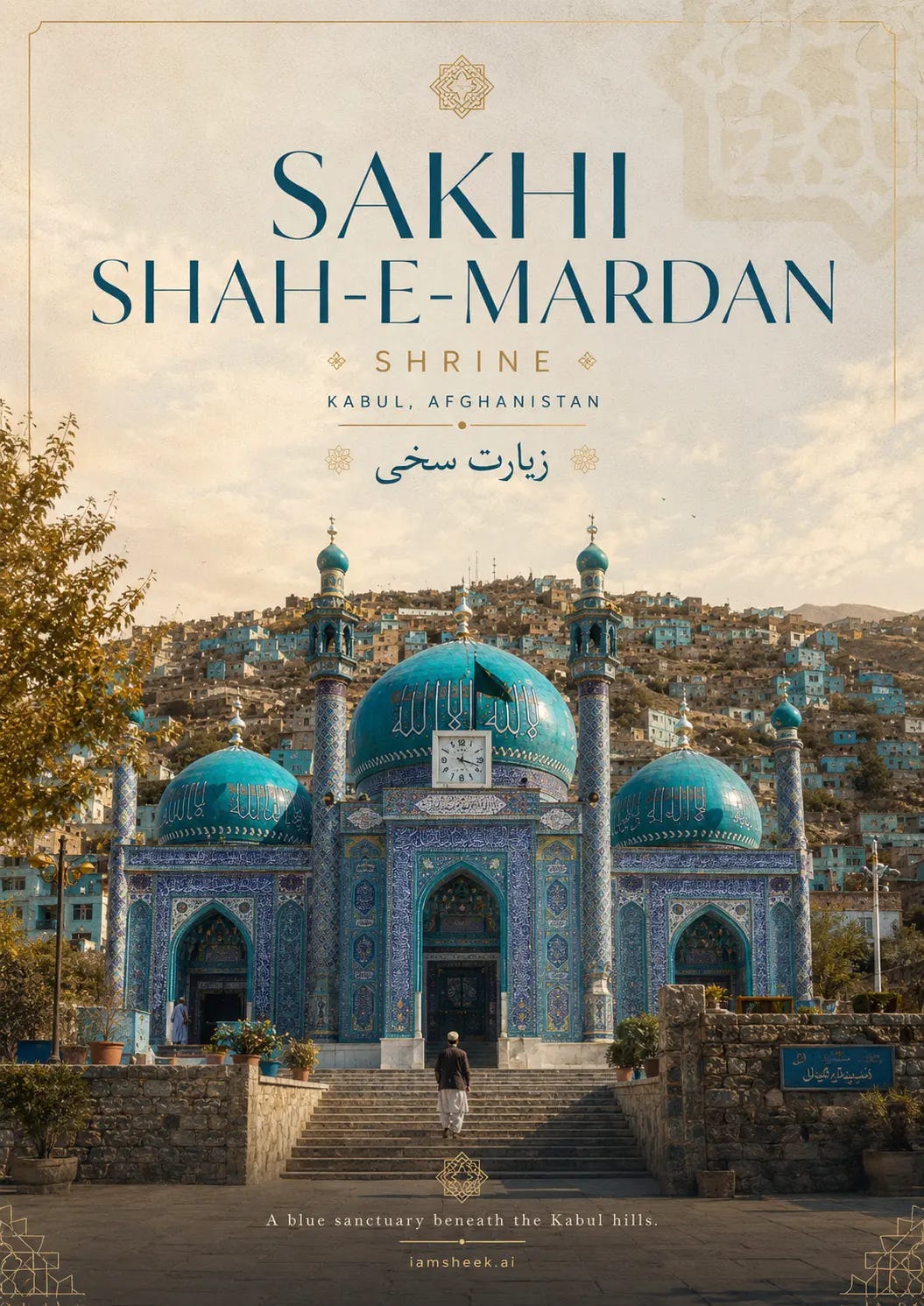
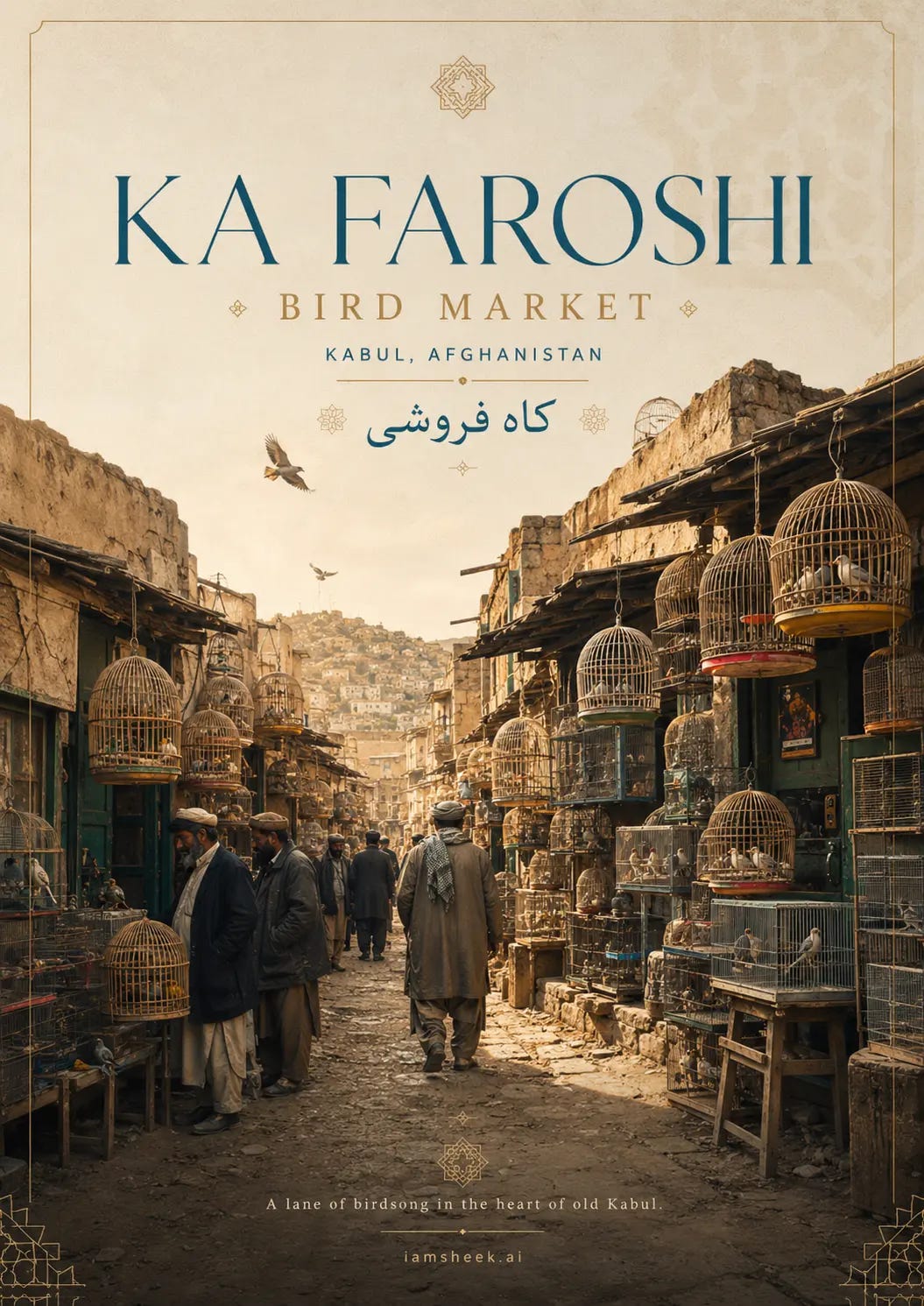
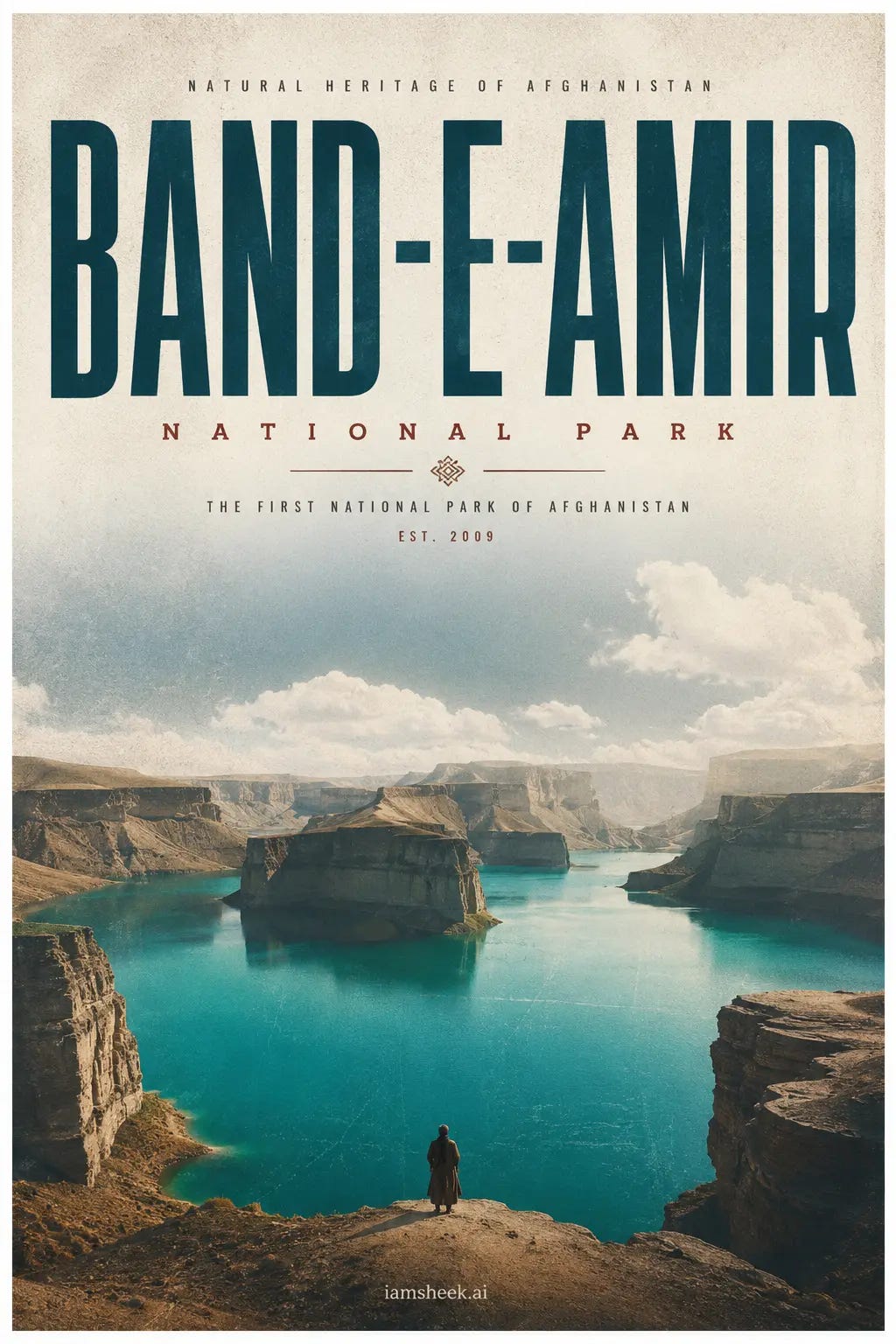
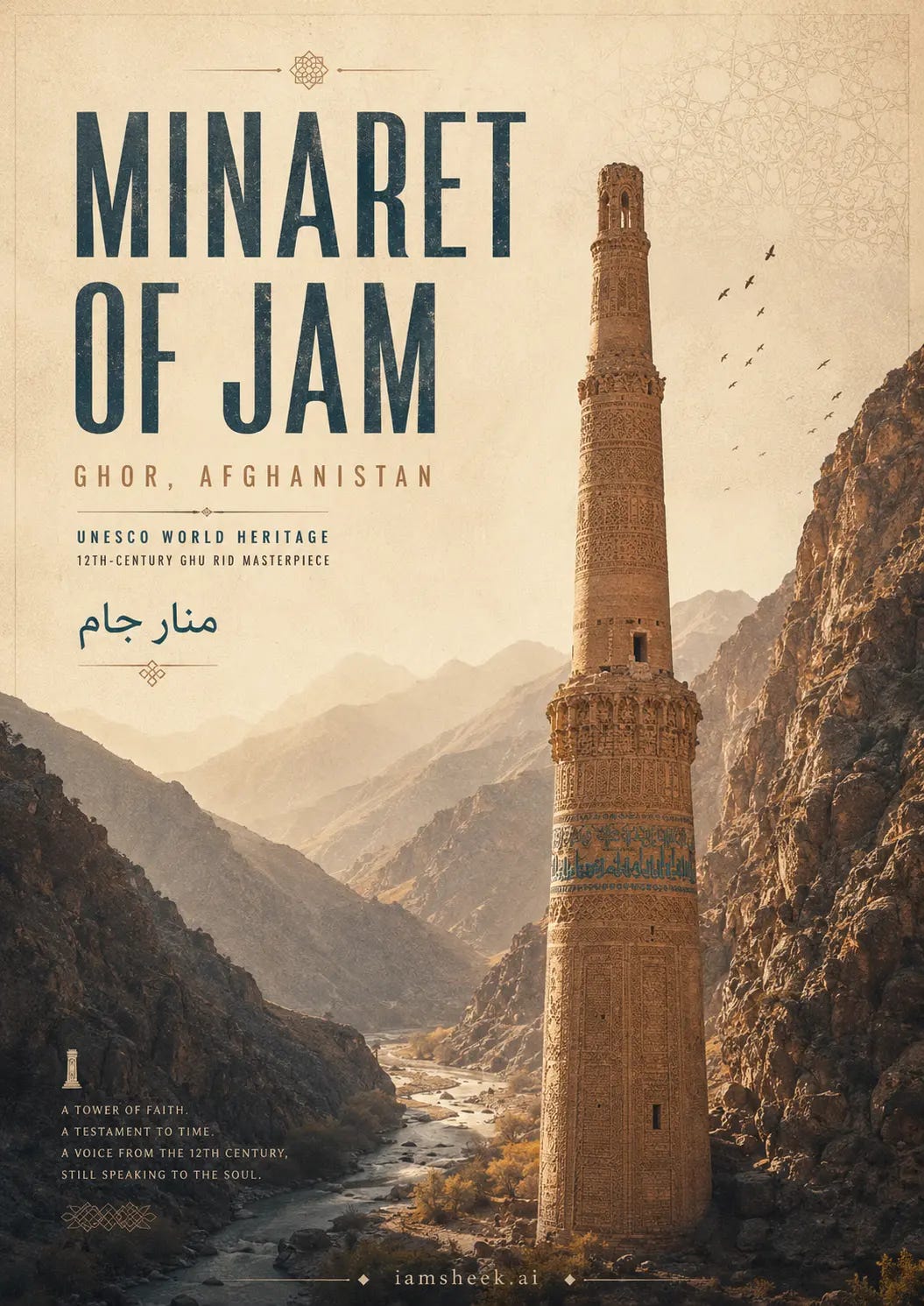
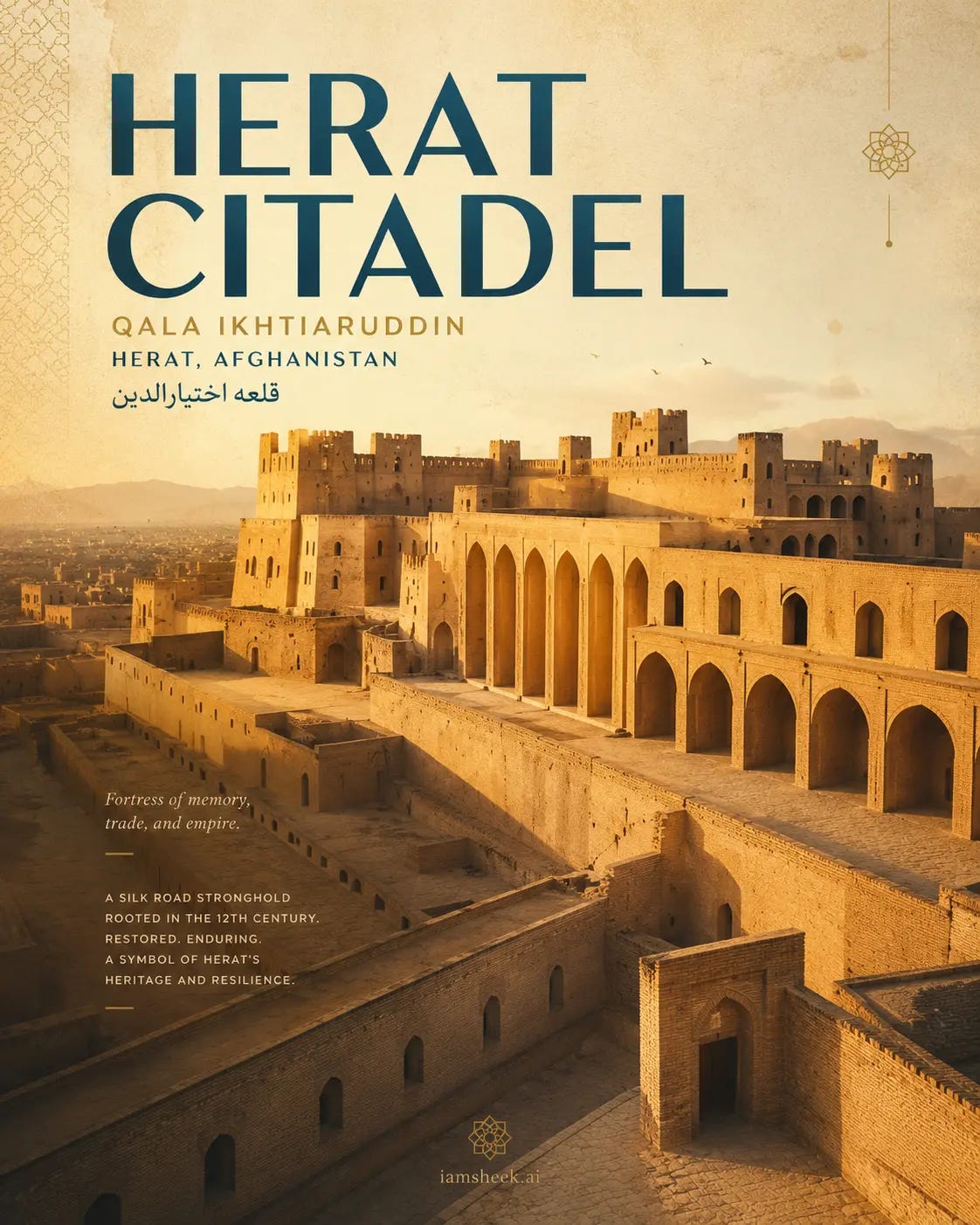
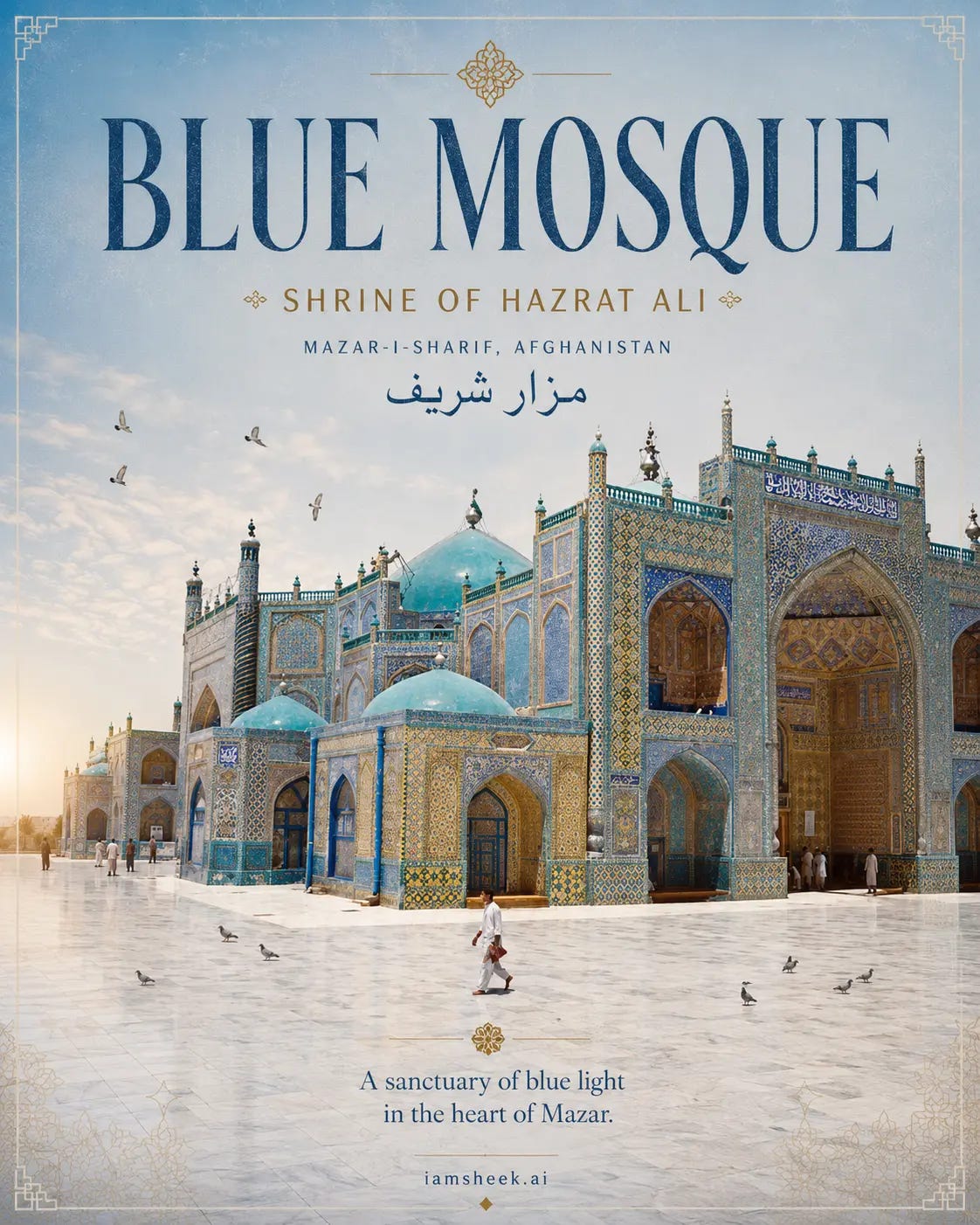
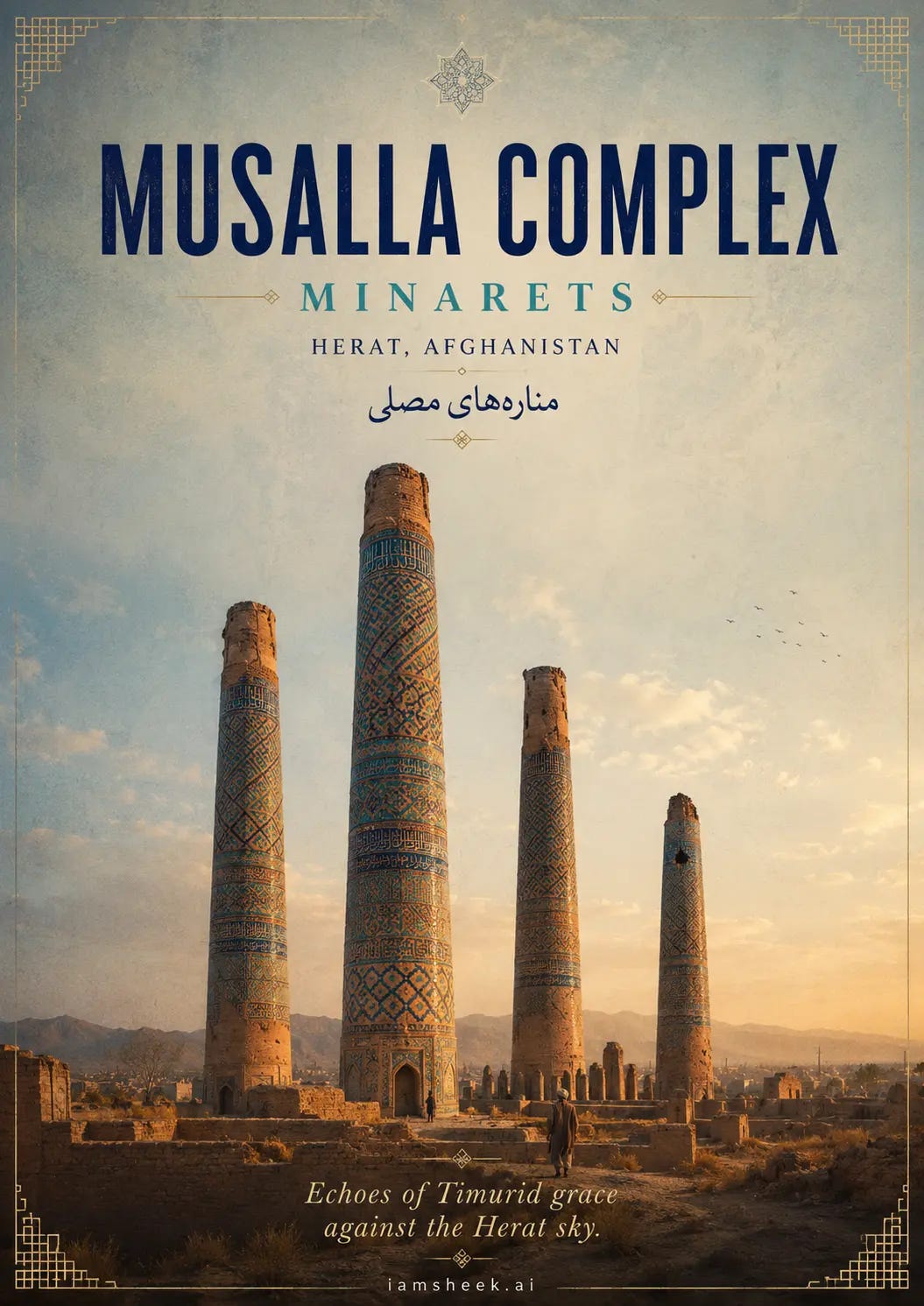
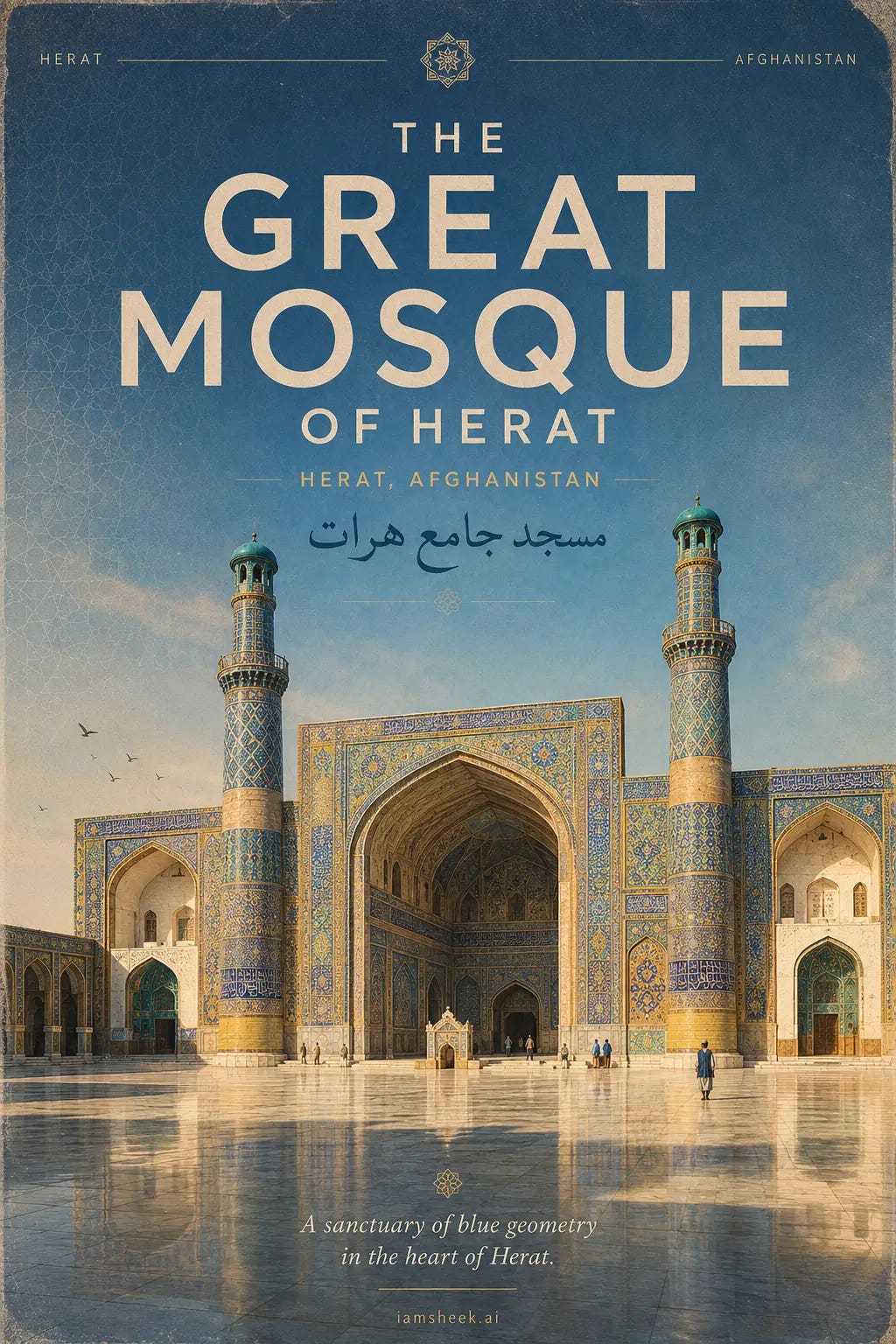
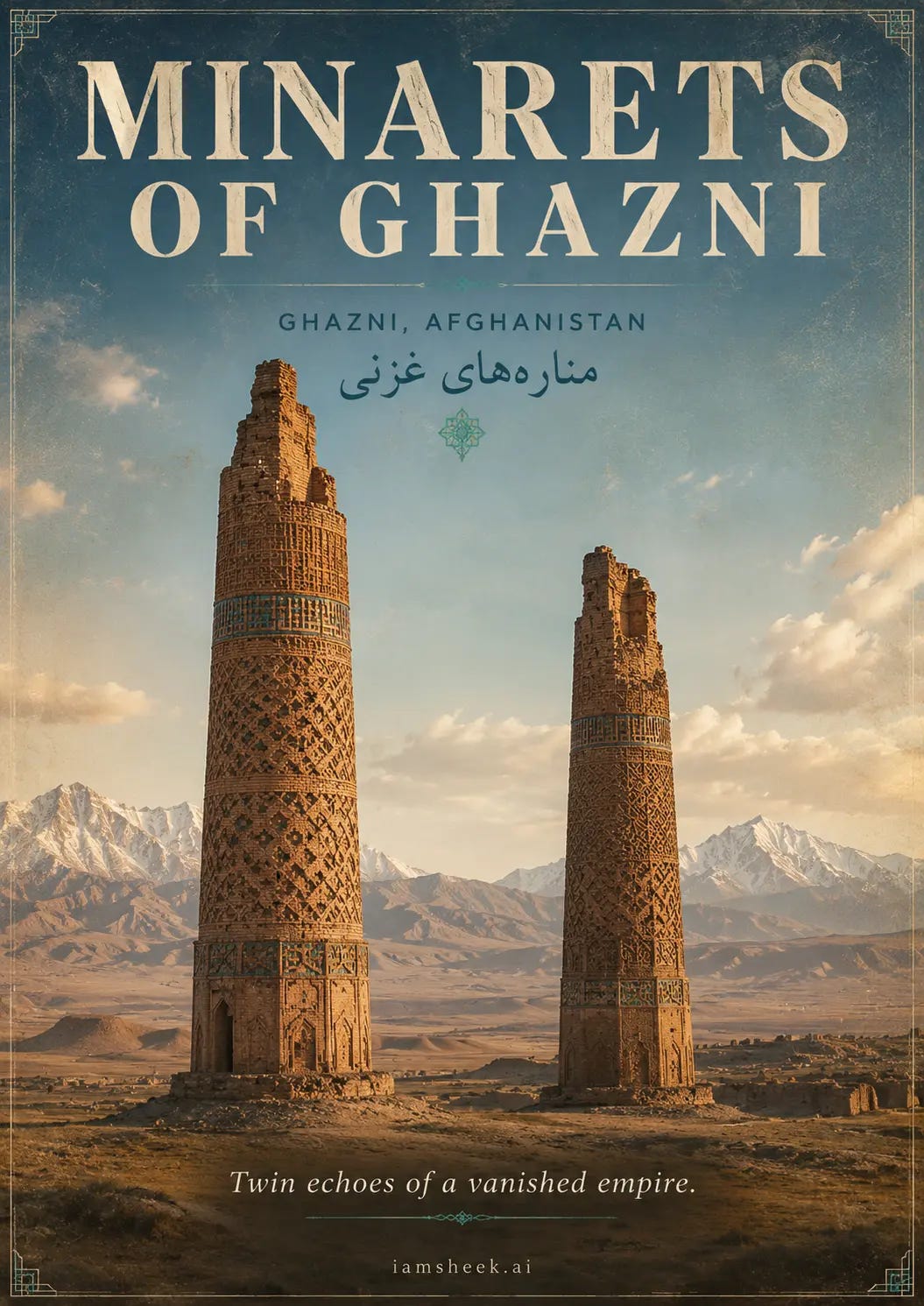
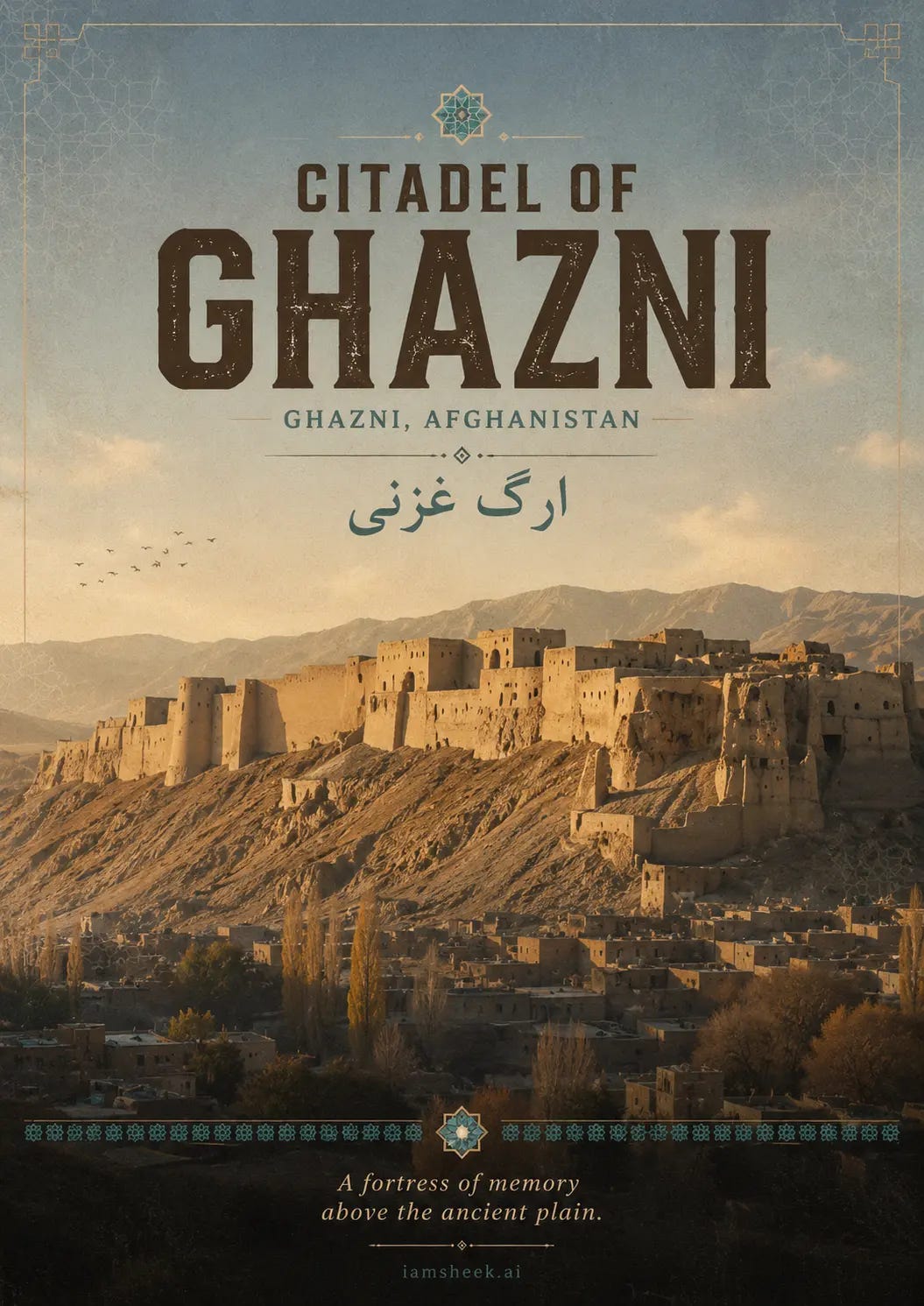
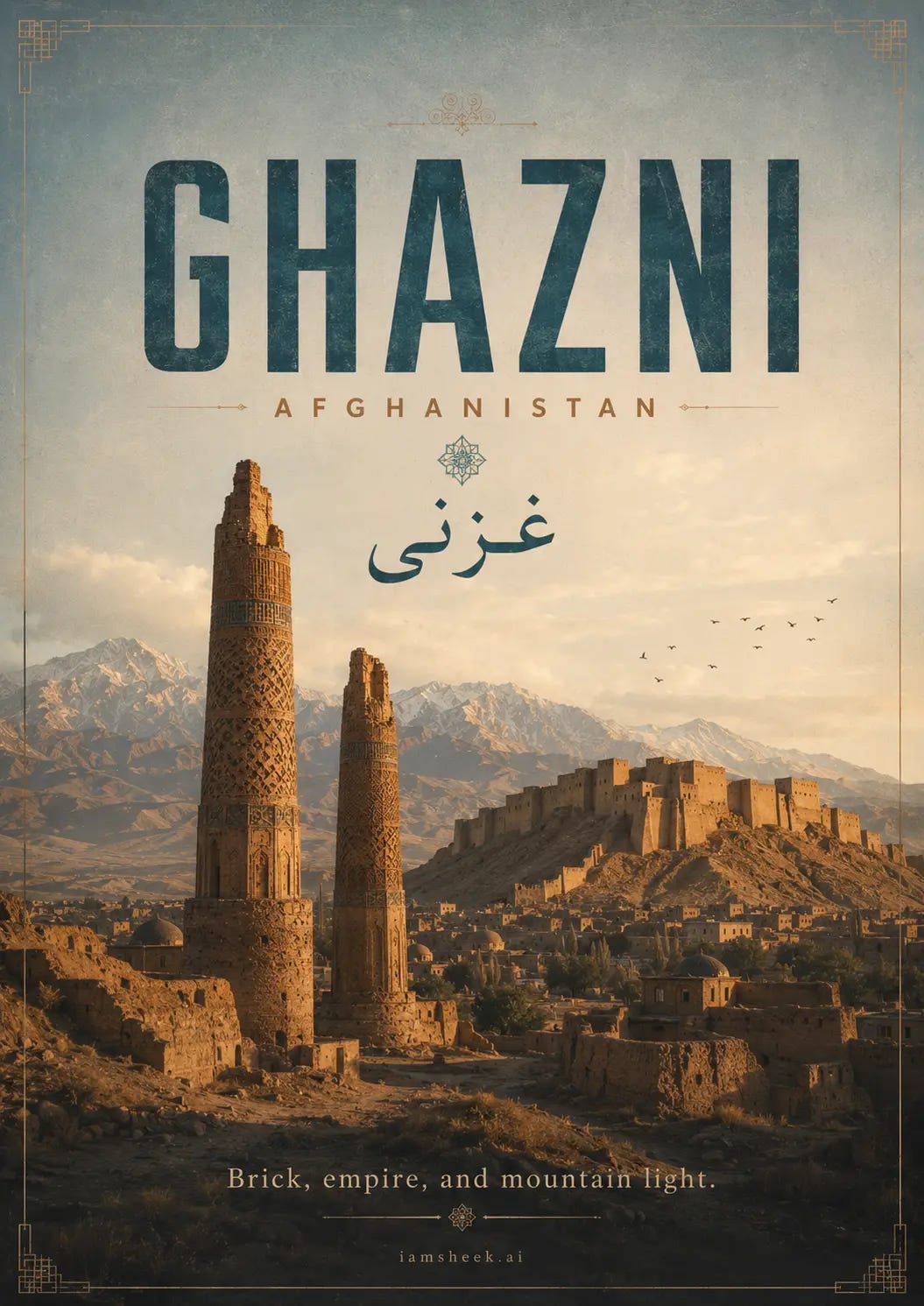
Each poster was designed to feel:
-
cinematic
-
minimalist
-
premium
-
editorial
-
culturally rooted
-
and emotionally specific
Not generic AI art.
A real design system.
The exact prompt
Here is the core prompt I used:
Create a cinematic minimalist travel poster of [LOCATION]. Automatically detect and adapt the design language based on the location's geography, culture, climate, architecture, and emotional atmosphere.

Design system should auto-generate: Appropriate visual style (brutalist / retro-futurism / swiss modernism / neo-noir / organic minimalism / luxury editorial etc.) Matching color palette inspired by the location.

Typography style based on the place's identity Natural textures and materials from the environment.

Atmospheric lighting and mood Composition with strong negative space Iconic landscape or architectural silhouette High-end poster layout with cinematic balance. Add small text "iamsheek.ai" for prompt copywriter in the poster.

Poster style requirements: ultra aesthetic, premium graphic design, bold typography integration, layered textures, subtle grain, editorial composition, realistic lighting, sophisticated minimalism, visual storytelling, museum-grade poster design, highly detailed, 8k
That’s the prompt.
Yes — one strong prompt can go very far.
But the real power is not just in the words.
It’s in the structure.
It’s time to support this free newsletter & spread the word. Share it.
The prompt framework behind it
If you want results that feel coherent, premium, and reusable, your prompt needs to do 5 things:
1) Define the output format
You are not asking for “an image.”
You are asking for a cinematic minimalist travel poster.
That instantly narrows the model’s decision-making.
2) Let the AI adapt intelligently
This was the magic line:
“Automatically detect and adapt the design language based on the location’s geography, culture, climate, architecture, and emotional atmosphere.”
This tells the model not to repeat one visual formula.
It tells the model to think contextually.
So Herat doesn’t look like Ghazni.
And Bamiyan doesn’t look like Mazar.
3) Force a design system
Instead of saying “make it beautiful,” I specified the design ingredients:
-
visual style
-
color palette
-
typography
-
textures
-
lighting
-
mood
-
negative space
-
silhouette
-
layout balance
This transforms prompting from a vague request into creative direction.
4) Ask for poster-grade aesthetics
Most AI outputs look unfinished because the prompt is too weak.
So I added strong finishing language:
-
ultra aesthetic
-
premium graphic design
-
bold typography integration
-
layered textures
-
subtle grain
-
editorial composition
-
realistic lighting
-
museum-grade poster design
-
highly detailed
-
8k
This pushes the output away from “random image” and closer to “designed object.”
5) Add a signature element
I included:
Add small text “iamsheek.ai” for prompt copywriter in the poster.
That makes the series feel branded and intentional.
Why this prompt worked so well
Because it did two jobs at the same time:
Job 1: It gave the AI creative freedom
It didn’t over-control every detail.
Job 2: It gave the AI design constraints
It made sure the freedom stayed inside a premium visual system.
That balance is everything.
Too vague?
You get generic.
Too rigid?
You get lifeless.
Good prompting is not about stuffing more words.
It’s about giving the model the right decision-making framework.
What surprised me most
What surprised me most was how well AI responded to Afghanistan’s visual identity.
The architecture carries so much character:
-
terracotta and mud-brick textures,
-
turquoise tilework,
-
monumental ruins,
-
mountainous backdrops,
-
historic silhouettes,
-
and a deep sense of emotional gravity.
Afghanistan doesn’t need artificial beauty.
It needs reframing.
And that’s what this series became:
A reframing.
How to use this for your own city or country
You can easily adapt the same system.
Just replace [LOCATION] with:
-
your city,
-
your country,
-
your village,
-
a landmark,
-
or even a neighborhood.
Examples:
-
Paris
-
Cairo
-
Lahore Fort
-
Old Delhi
-
Samarkand
-
Kyoto
-
Zanzibar
-
Kabul
-
Bamiyan
-
Herat Citadel
You can also create themed versions:
-
Morocco Like You’ve Never Seen It Before
-
Uzbekistan in Cinematic Posters
-
Sacred Places of Afghanistan
-
Modern Arab Cities as Luxury Editorial Posters
-
Historic South Asia in Minimalist Travel Posters
Same system.
Different world.
A refined version you can copy
If you want a cleaner reusable template, use this:
Create a cinematic minimalist travel poster of [LOCATION].
Automatically detect and adapt the design language based on the location’s geography, culture, climate, architecture, and emotional atmosphere.

The design system should automatically generate:
– an appropriate visual style
– a location-inspired color palette
– typography based on the place’s identity
– natural textures and materials from the environment
– atmospheric lighting and mood
– strong negative space
– an iconic landscape or architectural silhouette
– a high-end poster layout with cinematic balance

Include bold typography integration, layered textures, subtle grain, editorial composition, realistic lighting, sophisticated minimalism, and museum-grade poster design.

Add small text “iamsheek.ai” in the poster.

Make it ultra aesthetic, premium, highly detailed, and poster-worthy.
If you want more control, add:
-
aspect ratio
-
language
-
subtitle style
-
typography hierarchy
-
color restrictions
-
or branding instructions
A few practical tips if you want better results
1) Use specific landmarks
“Afghanistan” is powerful.
But “The Minaret of Jam” is more visually directed.
2) Think in systems, not single prompts
The best outputs come when you create a repeatable structure.
3) Keep a consistent series language
Even when each landmark changes, the overall collection should still feel like one body of work.
4) Ask for mood, not just appearance
Mood is what makes posters memorable.
5) Design for the platform
I also turned this into an Instagram carousel concept, because great AI work deserves great packaging.
Why I’m sharing this
Because prompting should not stay hidden.
If a prompt helps people create better work, it should travel.
And if AI can help people rediscover the beauty of Afghanistan — or their own culture — then that’s worth sharing.
This series is not just about posters.
It’s about showing what happens when:
-
design meets identity,
-
AI meets intention,
-
and culture meets storytelling.
If you want to try it yourself
Start here:
-
Pick a landmark
-
Use the prompt
-
Generate 3–5 versions
-
Keep the strongest composition
-
Turn it into a series
-
Post it as a carousel
That’s it.
Simple idea.
Powerful output.
Final thought
AI is not just for productivity.
It can also be used for cultural reimagination.
And sometimes, one well-built prompt is enough to turn a place people overlook into something people can’t stop looking at.
That’s what I wanted to do with Afghanistan.
If you enjoyed this:
-
Follow me on Instagram for the full poster carousel → @iamsheek.ai
-
Subscribe if you want more AI prompt breakdowns like this
-
Try the prompt and create your own version
And if you do, tag me.
I’d love to see what you make.
You want to help this newsletter for free? Share it.


This is really amazing and informational and at the meantime i got so much knowledge about these famous places.
We try our best to create and use Ai for fulfilling knowledge stay subscribed and enjoy