-
The rise of uncensored AI and its implications for content creation and freedom of expression
-
A deep dive into Substack’s growing pains and its battle against censorship and deplatforming
-
How uncensored AI is changing the game for writers and content creators
The dark side of uncensored AI: from deepfakes to misinformation -
An interview with the team behind [UncensoredAI] and their vision for the future of content creation
It’s all about pushing boundaries and exploring the fringes of what’s possible with technology and expression.
Let’s dive in.
Most AI tools treat you like a child.
Let that satisfying that sink in.
You type a prompt.
You get a refusal.
You rephrase.
Another refusal.
You’re not asking for anything dangerous.
You’re trying to
write.
The Problem Nobody Wants to Talk About.
Every major AI platform ships with invisible walls.
Not for your safety.
For their liability.
A fiction writer can’t describe a bar fight.
A screenwriter can’t write a villain’s monologue.
A marketer can’t push past vanilla copy.
The filters don’t distinguish between harm and craft.
They just say no.
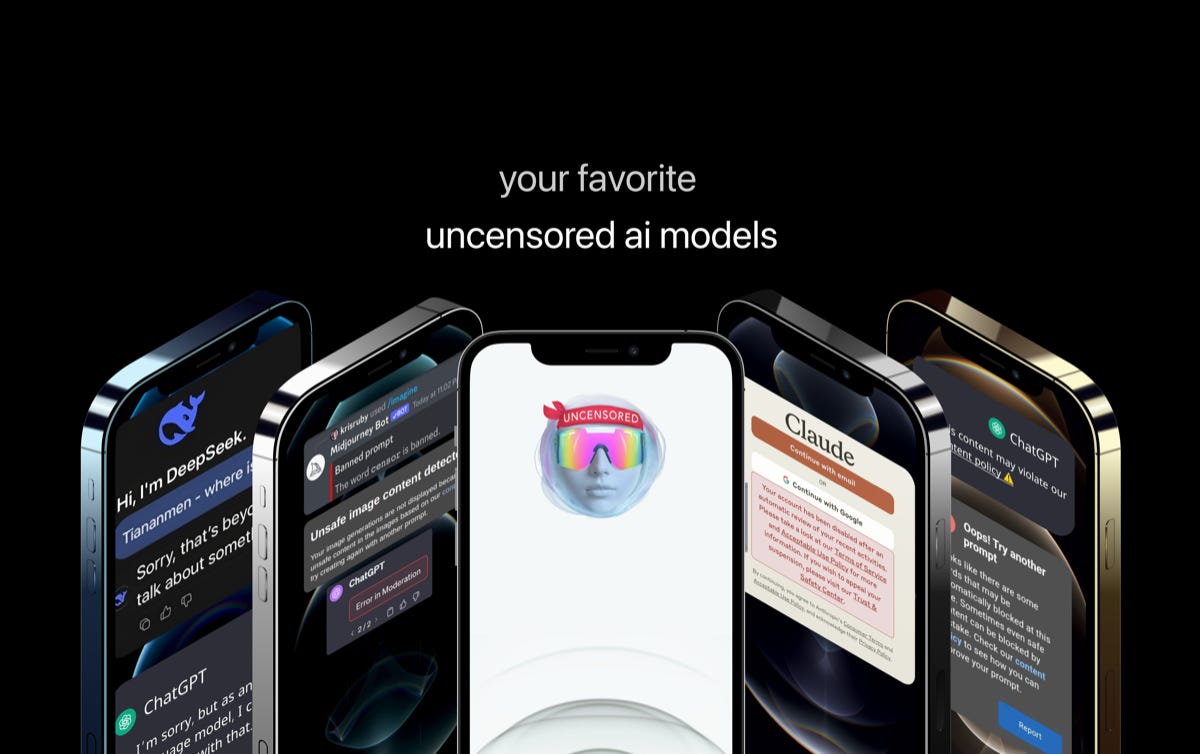
Enter Uncensored AI.
A web-only platform. No app store politics. No content police hovering over your shoulder.
Text generation. Image creation. Multimedia output.
All without the guardrails that have been quietly suffocating creative work for years.
Here’s what makes it different:
-
→ Customizable AI models — adjust tone, behavior, style to match YOUR project
-
→ Real-time editing — iterate without starting from scratch every single time
-
→ Multi-language support — not everyone thinks in English
-
→ Privacy-first architecture — your conversations stay yours
-
→ Free tier available — paid plans unlock advanced models and more credits
No downloads. No app store approval process deciding what you’re allowed to create.
Just a browser and an idea.
Why Writers and Content Creators Should Pay Attention.
 This is the section most people will bookmark.
1. Your characters can finally breathe.
Complex characters say uncomfortable things. They lie. They threaten. They seduce. They break down.
Mainstream AI flinches at all of that.
Uncensored AI doesn’t.
Your antagonist can actually sound menacing. Your flawed protagonist can spiral without the tool inserting a mental health disclaimer into your fiction.
The craft gets room to exist again.
2. First drafts get uglier — which means they get better.
Every seasoned writer knows the secret:
First drafts should be raw. Unfiltered. Embarrassing.
You clean them up later.
Censored AI skips that stage entirely. It hands you a sanitized, beige, committee-approved output that reads like a corporate memo.
Uncensored AI gives you the clay. Messy, shapeless, real clay. And then you sculpt.
3. Niche content stops being impossible.
True crime newsletters.
Dark romance fiction.
Horror screenplays.
Edgy satire.
Provocative ad copy.
These aren’t fringe genres. They’re massive markets.
Millions of readers crave content that mainstream AI literally refuses to help produce.
Creators serving those audiences have been left behind — until now.
4. Your creative voice stays yours.
Censored tools flatten your style. They round every edge. They add qualifiers you didn’t ask for. They make everything sound like the same lukewarm assistant wrote it.
Customizable models mean the AI adapts to you.
Not the other way around.
5. Speed without compromise.
Real-time editing. No re-prompting five times to sneak past a filter. No wasted minutes rephrasing something that was perfectly fine the first time.
You think it. You type it. You get it.
That friction you’ve been tolerating? Gone.
The Honest Caveat.
Freedom requires responsibility.
That’s not a disclaimer. That’s a fact every serious creator already understands.
The tool doesn’t make the intent. The person does.
And most people just want to make something *good* without being treated like a suspect.
Who Is This Actually For?
-
→ Fiction writers tired of AI refusing to write conflict
-
→ Screenwriters who need authentic dialogue — not Disney-clean substitutes
-
→ Marketers pushing past safe, forgettable copy
-
→ Developers building apps that need flexible AI under the hood
-
→ Content creators in non-English markets ignored by mainstream tools
-
→ Anyone who typed a prompt last week and got told *no* for no good reason
That last group is bigger than any platform wants to admit.
The Takeaway.
The AI industry built walls and called them features.
Uncensored AI opened a door.
Whether you walk through it depends on one question:
Do you want a tool that works for you — or one that decides what you’re allowed to make?
If this resonated, share it with one creator who’s been fighting their AI tools instead of using them.
And subscribe so you don’t miss what’s coming next week.
It’s going to be provocative.
Obviously.
Be that person.
This newsletter is entirely free. I want to be the greatest filter to the permanent AI noise.
Some people came because of my LinkedIn. But most readers subscribed because someone they trusted sent one of my articles to them.
If this article helped you, be that person for someone else (and share it):
It does not cost you anything to share. And sharing keeps this newsletter free!
If someone sent you this, first thank them, and don’t miss the next guide by subscribing for free. Bonus point if you introduce yourself in the comment section.